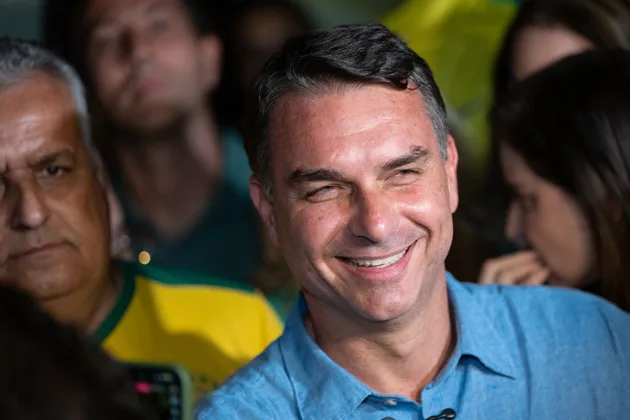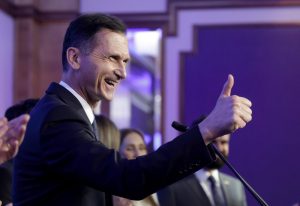
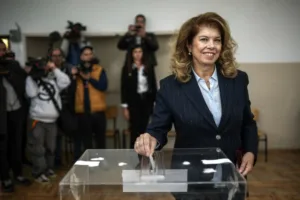
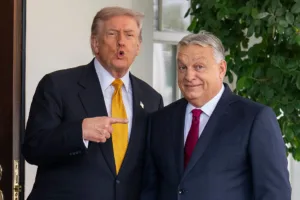

Bulgaria has been sent into a presidential run-off after President Iliana Iotova topped the October 25 first round without coming close to the margin needed to win outright. She will face the pro-Western opposition candidate Andrey Gyurov on November 1.
With 95.3 per cent of tally sheets processed, the Central Election Commission put the Iotova ticket on 34.6 per cent and Gyurov’s on 32 per cent, a gap of 2.6 points. Final results were due within 48 hours.
Turnout was the decisive figure. Only about 22 per cent of 6.5 million registered voters cast a ballot, the lowest participation in a Bulgarian presidential election since the end of communist rule.
Under the constitution, a first-round win requires more than half the valid votes and a turnout above 50 per cent. The second condition failed long before counting began, making a run-off certain whatever Iotova’s score.
The outcome was well short of what pollsters had forecast, several putting the incumbent above 40 per cent and Gyurov at around 28. He has since invited her to a debate, which she avoided before the first round.
Kostadin Kostadinov, leader of the Eurosceptic Revival (Vazrazhdane) party, finished third on 12.7 per cent. His party sits with the right-wing Alternative for Germany (AfD) in the European Parliament.
Radostin Vasilev of the populist Morality, Unity and Honour (MECh) party took 4.6 per cent. The rest of the 27-strong field polled below the “none of the above” option, which drew 4.4 per cent.
Iotova is backed by Progressive Bulgaria, the party of Prime Minister Rumen Radev, who resigned the presidency in January and won April’s parliamentary election outright. The two have clashed over Europe and the war in Ukraine throughout the campaign, with Iotova opposed to military aid for Kyiv and open to talks with Moscow.
Gyurov, 50, a former deputy governor of the Bulgarian National Bank who led the caretaker government in the first months of 2026, is supported by the liberal-conservative opposition. He has promised to keep the country anchored in the European Union and NATO.
The campaign was dominated by economic strain in Bulgaria’s first year inside the euro and by drone attacks on Black Sea shipping that Sofia has asked the EU and NATO to help identify. Radev’s government was placed under an EU deficit procedure in June.
Bulgarian presidents are directly elected though their powers are limited. The head of state commands the armed forces, appoints ambassadors on the government’s proposal and can return bills to parliament, but cannot dismiss the prime minister.
Where the eliminated candidates’ votes go on November 1 remains unclear. The opposition argues that the presidency and the government should not be held by the same political camp.