



The European Central Bank has kept interest rates on hold despite warning that the energy shock from the Iran war is still feeding through to eurozone prices.
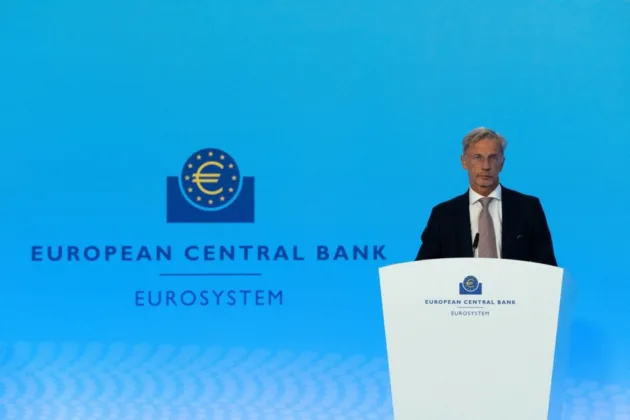
The Governing Council, which sets borrowing costs for the 21 member states that use the euro, left the deposit rate at 2.5 per cent on October 29. The main refinancing rate stayed at 2.65 per cent and the marginal lending rate at 2.9 per cent, after two rate rises this year in June and September.
Eurozone inflation climbed to 3.8 per cent in September, up from 3.2 per cent in August and its highest level in three years. That is almost double the bank’s 2 per cent medium-term target.
In its statement, the ECB said underlying inflation had remained broadly stable so far and wages had shown no material response. It warned, though, that the size and duration of the energy shock were “likely to drive up inflation and lower growth”.
The bank added that tighter financing conditions would probably weigh on prices and activity, and said it was not committing to any particular path for rates.
The pause came amid a sell-off in French government debt. France’s 10-year borrowing costs rose above 5 per cent on October 21 for the first time since 2002.
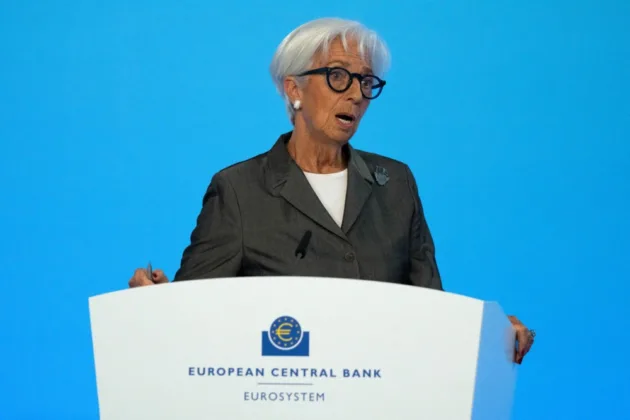
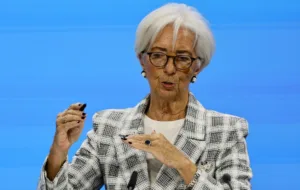
ECB President Christine Lagarde told reporters the decision had been unanimous, although the Governing Council had debated a hike. Analysts expect it to return on December 17, at the last meeting of the year.
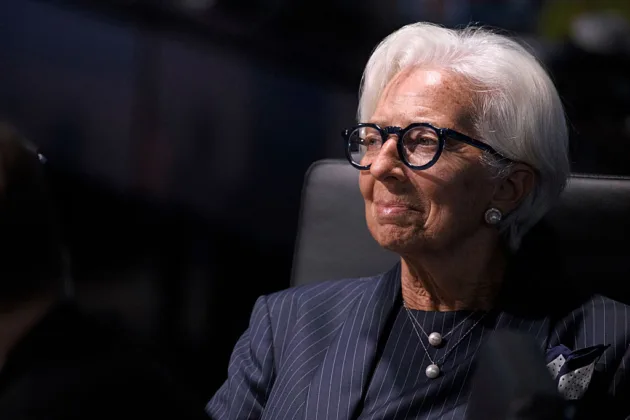
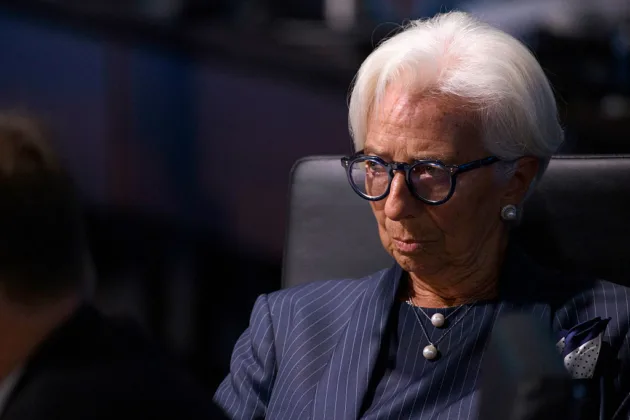
Hours before the rate announcement, Lagarde said she would step down on February 7, 2027, nearly nine months before her eight-year term was due to end. The ECB gave no reason for her departure.
The Financial Times reported in February that she wanted to leave before France’s presidential election in April 2027, giving President Emmanuel Macron a say in choosing her successor. Some analysts warned that such a move could look like an attempt to keep France’s right-wing opposition out of the process.
In early July, Lagarde told French daily Les Echos that an early exit was possible and that a European voice had to be heard in the French presidential campaign. On July 23 she struck a different tone, insisting that “the captain stays on the ship, and this captain is staying on this ship”.
Former Dutch central bank governor Klaas Knot and Bank for International Settlements chief Pablo Hernández de Cos, backed by the Spanish Government, are seen as frontrunners to succeed her.
Lagarde’s exit is part of a wider reshuffle at the top of the bank. Two other seats on the six-member Executive Board, including that of chief economist Philip Lane, also fall vacant in the first half of next year.