


Traders have built the biggest bet against the euro on record, as Europe’s energy shock and France’s budget crisis have pushed the single currency to its weakest level in 17 months.
Figures from the US Commodity Futures Trading Commission showed speculators held 301,439 short contracts on the euro in the week to September 29, the most on record. Each contract is worth €125,000, putting the gross bet at roughly €38 billion.
The euro fell as low as $1.116 earlier this week, its weakest against the dollar since May 2025 and a fourth straight weekly loss.
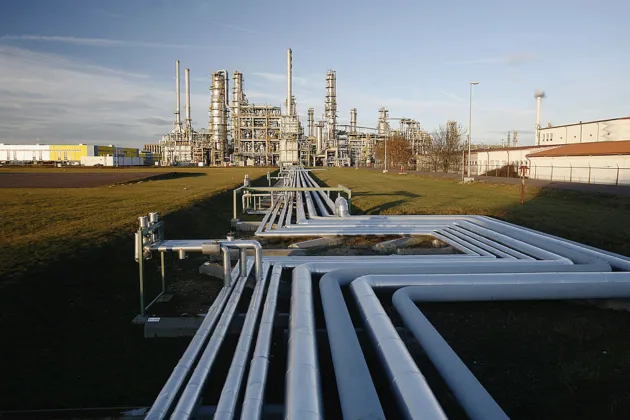
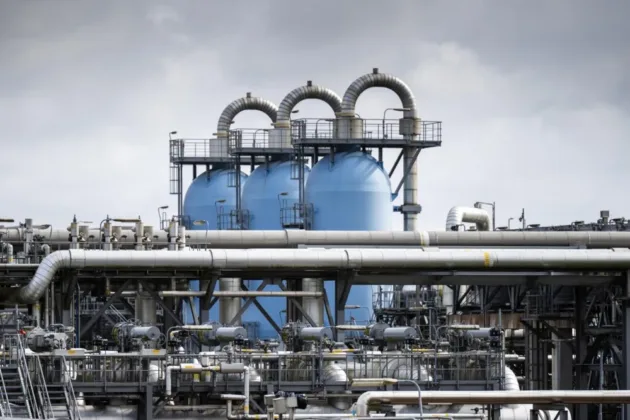
The reversal started with energy. Liquefied natural gas shipments through the Strait of Hormuz have been largely blocked since the war with Iran began in late February, leaving European buyers to compete for scarce cargoes.
The benchmark Dutch TTF gas price stood at about €73 per megawatt-hour this week, roughly 120 per cent higher than a year earlier. European storage was 71.5 per cent full on October 2, against 82.6 per cent in 2025.
Brussels has answered by asking capitals to ban patio heaters rather than by lowering the cost of supply. Eurozone inflation rose to 3.8 per cent in September from 3.2 per cent in August, according to Eurostat, with energy prices up 18.8 per cent over the year.
Higher inflation would normally lift a currency, because it points to higher interest rates. Instead, markets have cut their expectations from about three and a half further European Central Bank increases to roughly two and a half.
ECB President Christine Lagarde said last week that higher borrowing costs were already slowing the economy, with no sign of energy prices feeding into wages.
The second weight came from Paris. The premium investors demand to hold French rather than German 10-year debt has widened beyond 1.5 percentage points, its widest since the eurozone debt crisis.
The 2027 budget and its €43 billion of savings still lack a majority in a parliament where the Rassemblement National has tabled a rival plan promising a deficit below 3 per cent.
Banque de France governor Emmanuel Moulin warned on Tuesday that the country risked being throttled by its own borrowing costs unless it repaired the public finances.
Francesco Pesole, foreign exchange strategist at ING, told Euronews the euro could test $1.10 if bond market stress intensified. Danske Bank expects the decline to run into 2027.
Ana Munera, director of global markets strategy at BBVA, said the euro’s punishment had been “too severe” and that levels were starting to look stretched.
Record short positioning can also work the other way. A credible budget deal in Paris, calmer bond markets or cheaper energy would force traders to buy the currency back.