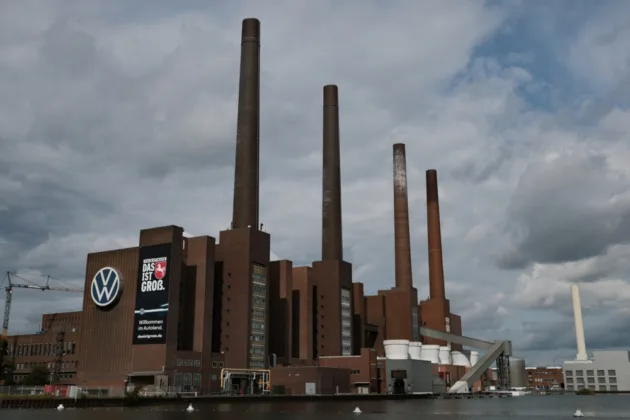


Industrial unrest has threatened to spread across Germany’s automotive heartland after the influential industrial union IG Metall issued an ultimatum to Volkswagen, demanding the carmaker retract its unilateral termination of key collective agreements by the end of October or face full-scale strikes once the industrial peace obligation lapses at the turn of the year.
The confrontation erupted following Volkswagen’s decision on September 30 to terminate 10 in-house collective agreements effective December 31, a move directly impacting around 130,000 domestic employees across passenger cars, commercial vehicles and component manufacturing divisions.
The targeted frameworks include the central umbrella agreement, which governs fundamental working conditions such as standard working hours, 30 days of annual leave and overtime bonuses. It alone applies to more than 100,000 staff, the rest covering job classification, allowances, supplementary pay and apprenticeships.
Union negotiators described the cancellations and cutbacks as an unprecedented breach of trust designed to slash workplace standards, Die Zeit reported. The 2024 “future” agreement, which rules out compulsory redundancies until 2030, was left untouched.
Thorsten Gröger, IG Metall’s chief negotiator for Lower Saxony, warned in Hanover, northern Germany, on October 23 that the union did not seek escalation but was prepared to deploy industrial action that could become broader than anything the Wolfsburg group had ever faced.
Gröger added that a cancellation submitted by management can just as easily be withdrawn, setting an end-of-October deadline before the union begins activating its nationwide strike machinery.
The corporate board has instructed personnel managers worldwide to freeze pay levels until 2030, according to the group and works council, in an effort to curb operating overheads amid pricing pressure from Chinese electric car competitors and weak demand across Europe.
Works council chairwoman Daniela Cavallo condemned the executive push and demanded that the board explain itself, the council describing its approach as absurd. She has said she expects a hard conflict if management seeks to dismantle hard-won contractual protections.
The industrial peace obligation expires alongside the agreements at the turn of the year, legally clearing the path for warning walkouts and open-ended strikes across German assembly lines from January 2027.
While Volkswagen maintains that legacy conditions remain provisionally in effect after December 31 under statutory rules on the continued effect of lapsed agreements, IG Metall has demanded immediate negotiations to reinstate contractual guarantees and secure vulnerable production facilities, notably those in Emden and Hanover, northern Germany, and Zwickau in the east.
Europe’s mass-market carmakers face “enormous pressure” from Chinese rivals and market shifts, Volkswagen CEO Oliver Blume says, calling for flexible regulations and incentives to support local production. https://t.co/8VGA6G22Ix
— Brussels Signal (@brusselssignal) October 15, 2026