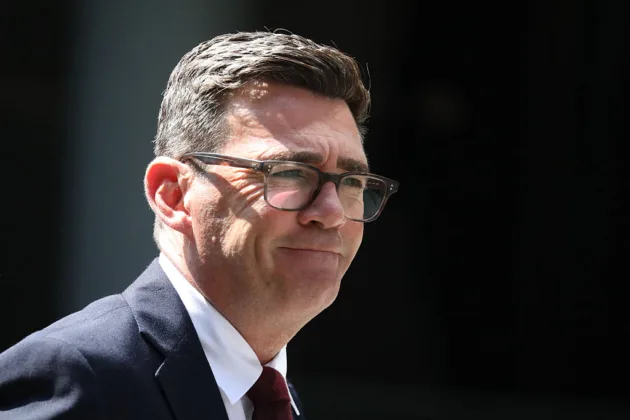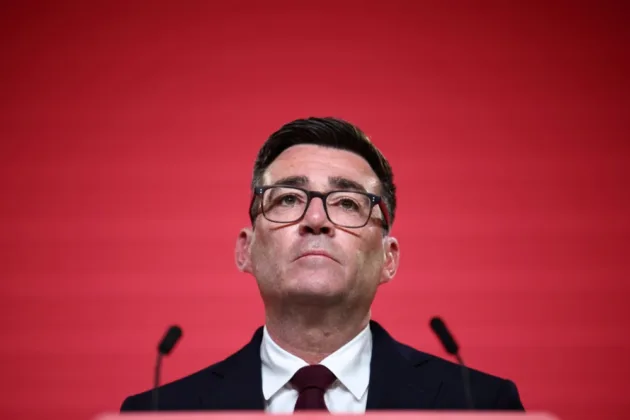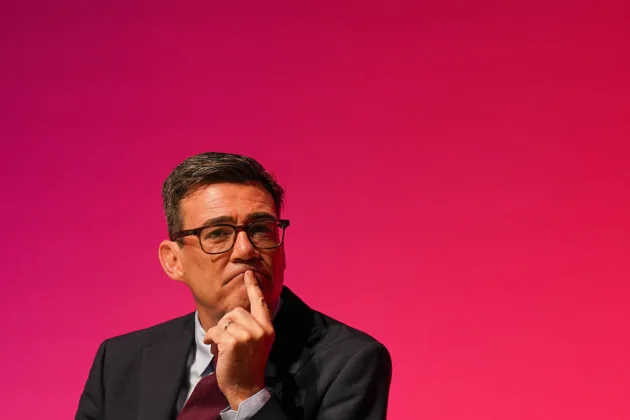

Andy Burnham has become the United Kingdom’s Prime Minister, taking office on July 20 after Keir Starmer resigned and King Charles III asked him to form a government. He is the seventh person to hold the office in a decade, a stretch of instability that has followed the 2016 referendum on European Union membership.
Speaking outside Downing Street, Burnham promised a new political and economic model and a 10-year plan to restore stability. He said it required his generation of politicians “to raise our game” and pledged to end rough sleeping.
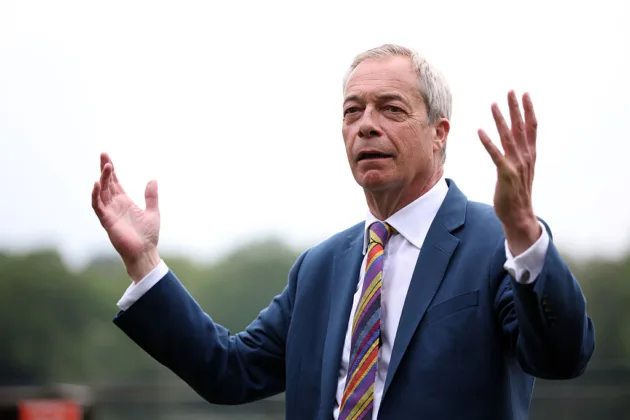
The tone was deliberately fresh, though the in-tray is familiar. Burnham inherits weak growth, stretched public finances and a Labour Party that trails Nigel Farage’s right-wing Reform UK in the polls.
The clearest early signal concerned Europe. The new Prime Minister said he wanted a closer relationship with the EU and spoke by telephone with several European leaders within hours of taking office.
Brussels responded warmly. European Commission President Ursula von der Leyen said she looked forward to working with Burnham to “strengthen the EU-UK partnership”. European Council President António Costa said relations had gained “a new, positive momentum” over the past two years.
That momentum has a concrete history. Under Starmer, London and Brussels agreed a wide-ranging reset in May 2025, covering a security and defence pact, food-standards alignment, airport e-gates and a 12-year extension of EU access to British fishing waters.
Critics on the British Right read the same deal very differently. Conservative leader Kemi Badenoch called it a step towards becoming a “rule-taker from Brussels”, warning that youth mobility could reopen free movement by the back door.
For Burnham, a warmer posture towards the EU is not cost-free. Food-standards alignment leaves the European Court of Justice with a say over the rules, so each step towards Brussels revives the charge that alignment, not sovereignty, buys smoother trade.
Burnham also reshaped the top of government. He appointed John Healey as chancellor of the exchequer and Ed Miliband as foreign secretary, moving Miliband from energy.
The Healey appointment was the surprise. He had served as defence secretary under Starmer before resigning in June over a defence investment plan, and his return to the Treasury was read in Westminster as a signal on spending discipline.
Wes Streeting, who had led calls for Starmer to step down, became defence secretary. Shabana Mahmood stayed at the Home Office, where her migration reforms have already tested Labour’s own MPs.
Burnham’s first concrete act came the next day. On July 21, the Government said value-added tax on domestic electricity would be scrapped from October 1, cutting the charge from 5 per cent to zero for six months.
The Treasury said the move would save a typical household about £45 (€52) a year and would be funded by cancelling Starmer’s planned digital identity scheme, a system meant to tighten right-to-work checks on illegal immigration.
Healey said the cut would give families breathing room before winter and help bring down inflation. The saving was modest, though, set against the spending commitments stacking up elsewhere.
The international choreography stretched beyond Brussels. Burnham spoke to US President Donald Trump, French President Emmanuel Macron and Ukrainian President Volodymyr Zelensky, as well as NATO Secretary General Mark Rutte.
Defence spending sits at the centre of those conversations. The May 2025 pact opened the door to British firms taking part in European defence financing, while Washington continues to press European allies to carry more of the alliance’s burden.
Rutte welcomed the new Prime Minister’s backing for Ukraine. Burnham, in turn, cast Healey’s appointment as a signal that military commitments would be kept funded.
The domestic ground is far less comfortable. Burnham won the Labour leadership without a wider membership vote, installed after a compressed contest in which no rival emerged.
His mandate is thin. He returned to Parliament only weeks earlier through the Makerfield by-election, taking 54 per cent of the vote in a Leave-leaning, working-class seat where Reform UK had run strongly.
That base is the puzzle at the heart of his premiership. The voters Burnham most needs are sceptical of Brussels and hostile to higher immigration, yet his opening days leaned towards closer European ties and warm words abroad.
Badenoch pressed the point. She congratulated Burnham but questioned how his lengthening list of promises would be funded, arguing that borrowing was already too high and that further tax rises could not be the answer.
Reform UK will watch the Europe question most closely of all. Every step towards Brussels hands Farage a ready line that Labour is quietly unpicking Brexit, at a moment when the party can least afford to lose the voters it took from the Conservatives.
Burnham said he would set out his plans for the next decade before the end of the year. Whether warmer ties with Brussels help or hinder that project may be settled not in the EU capital, but in seats like Makerfield.