







History rarely grants second chances to failed dynasties. Yet for almost 50 years Reza Pahlavi has attempted to persuade the world that he represents Iran’s democratic future.
Every crisis inside the Islamic Republic, every uprising, every confrontation with the West has produced another round of media appearances proclaiming that his moment has finally arrived. Each prediction has dissolved into disappointment.
The latest Reuters investigation has merely confirmed what many Iranians have argued for years. Beneath the multi-million dollar polished public relations campaign lies a political project built on contradiction, personality and inherited privilege, rather than democratic legitimacy.
Iran’s future demands leadership forged through sacrifice. Reza Pahlavi offers inherited status. That distinction could hardly matter more.
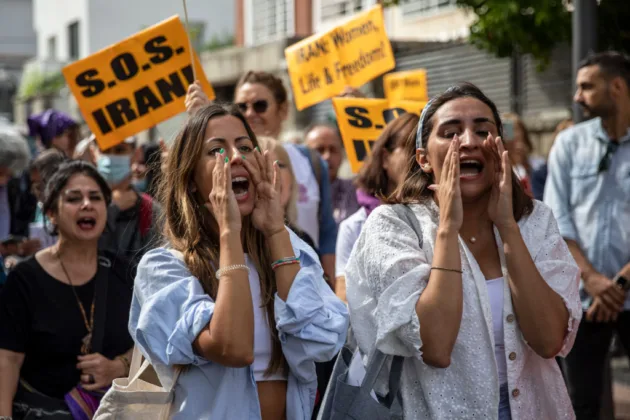
For 48 years he has lived comfortably in Western exile while generations of courageous Iranians have endured imprisonment, torture, execution and persecution. Young women have faced bullets for demanding basic freedoms.
Workers have filled prisons for organising strikes. Students have disappeared into interrogation chambers. Resistance activists have paid with their lives.
Those people earned the right to shape Iran’s future. A hereditary claimant living thousands of miles away has earned no comparable mandate.
Every democratic movement depends upon credibility. Credibility grows from consistency. Here, Reza Pahlavi struggles badly.
One interview presents him as merely “a bridge” towards democracy. Another introduces sweeping plans placing exceptional authority in his own hands during a transitional period.
One speech celebrates popular sovereignty. Another carries the unmistakable tone of a man who already views himself as Iran’s natural leader.
Such contradictions raise an unavoidable question. If democratic principles remain fixed, why does the message constantly change?
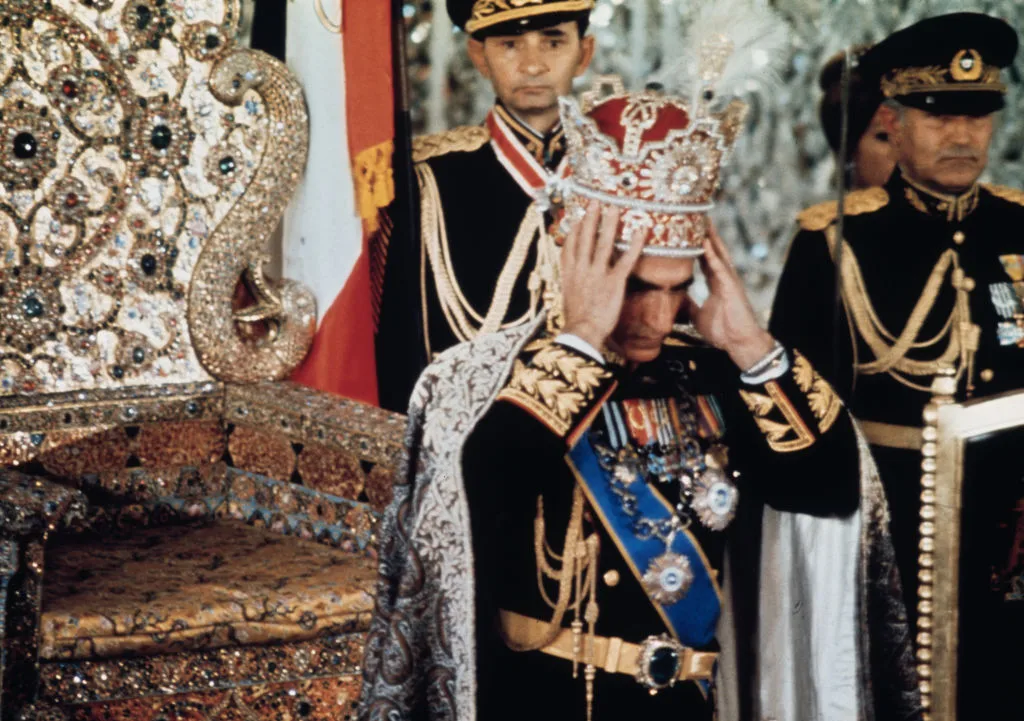
His reluctance to confront the darker chapters of his own family history deepens those concerns. The Shah’s regime created one of the Middle East’s most feared security services. SAVAK became synonymous with surveillance, arbitrary detention, torture and political repression.
Any serious democrat seeking national reconciliation would address that legacy directly, honestly and repeatedly. Instead, ambiguity persists.
Silence allows nostalgia to flourish among royalist supporters while offering little comfort to those whose families suffered during the monarchy. Democratic leadership begins with truth. Selective memory merely prolongs division.
Even more revealing has been his response to behaviour within his own political camp. Reuters documented repeated allegations involving intimidation, harassment and violence carried out by individuals identifying themselves as supporters of Reza Pahlavi across several countries.
The agency found no evidence linking Pahlavi himself to any of those incidents, and he condemned them when asked. His reaction attracted almost as much attention as the incidents themselves.
That condemnation came only after months in which his own donors had urged him to speak out, and the political culture producing such behaviour went largely unaddressed. Democracy requires something far stronger, moral clarity without qualification.
Every successful democratic movement accepts disagreement. Every authoritarian movement demands loyalty. That difference defines the entire political landscape.
Some of Reza Pahlavi’s closest associates have portrayed critics as enemies rather than fellow opponents of the clerical regime. Others have adopted rhetoric implying that disagreement somehow serves Tehran.
Such language poisons democratic debate. It creates conformity rather than pluralism, fear rather than confidence.
Iran has already endured one political system demanding unquestioning obedience. Replacing clerical absolutism with dynastic absolutism would represent progress in appearance alone.
Support has also begun to erode among those who once viewed him as Iran’s best-known opposition figure. Reuters describes donors expressing frustration over repeated failures to unite the opposition, disappointment with strategic decisions and reluctance to provide further financial backing.
Washington has also created considerable distance between itself and Pahlavi’s political ambitions. Senior American officials have publicly dismissed suggestions that he represents any preferred successor to the current regime. Even sympathetic observers question whether he possesses the qualities required for national leadership.
Perhaps the greatest weakness remains organisational. Modern democratic revolutions succeed because disciplined movements exist inside their countries long before victory arrives.
Nelson Mandela had the African National Congress. Lech Wałęsa built Solidarity. Václav Havel inspired Charter 77.
Those leaders emerged from struggle alongside their people. Reza Pahlavi possesses media recognition, social media visibility and a famous surname. Those assets hardly amount to a nationwide democratic organisation capable of rebuilding a country devastated by decades of dictatorship.
His supporters frequently point towards opinion polling or nostalgic affection for pre-revolutionary Iran as evidence of his popular appeal. Yet, quite apart from the impossibility of conducting genuinely objective polling under a totalitarian regime, remarkably little attention is paid to a refrain that has repeatedly echoed through nationwide protests in Iran: “No to the oppressor, whether the Shah or the Supreme Leader.”
Meanwhile, many ordinary Iranians increasingly view the endless contradictions, reversals and carefully crafted messaging with growing scepticism. Every fresh statement seems followed by clarification, reinterpretation or retreat.
Every ambitious declaration appears accompanied by another qualification. Double-speak has become a political habit. Iran deserves something better.
The struggle against the Islamic Republic has always centred upon far more than removing one ruling elite. The objective has always been the creation of a genuinely democratic republic founded upon the rule of law, separation of religion from the State, equal rights for women and minorities, independent courts and free elections.
Those aspirations cannot flourish under another personality cult. Nor can they flourish beneath another family dynasty.
Iran’s next chapter belongs to those who have carried the burden of resistance inside the country and to democratic representatives chosen freely by the Iranian people after genuine political freedom finally arrives.
Every dictatorship eventually falls. The character of what follows determines whether history advances or merely repeats itself.
Iran requires a leader whose authority comes from service rather than inheritance, sacrifice rather than symbolism, democratic conviction rather than royal entitlement.
Reza Pahlavi has enjoyed almost five decades to demonstrate those qualities. The verdict grows clearer with every passing year.
Iran’s future deserves a democrat. It deserves far more than a prince searching for a throne.