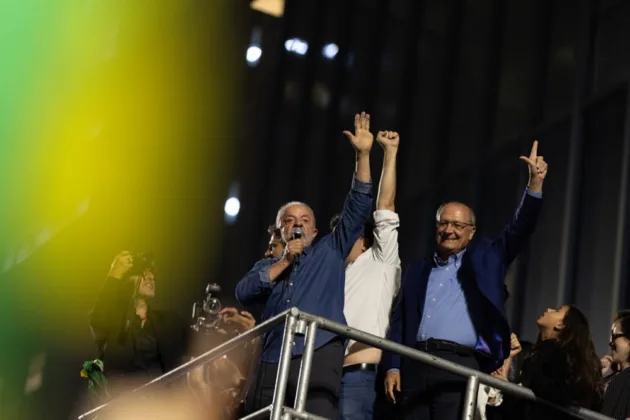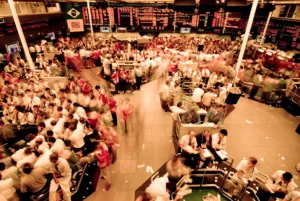


Brazilian assets have sold off sharply after President Luiz Inácio Lula da Silva won re-election, unwinding a rally built on expectations of a victory for the Right.
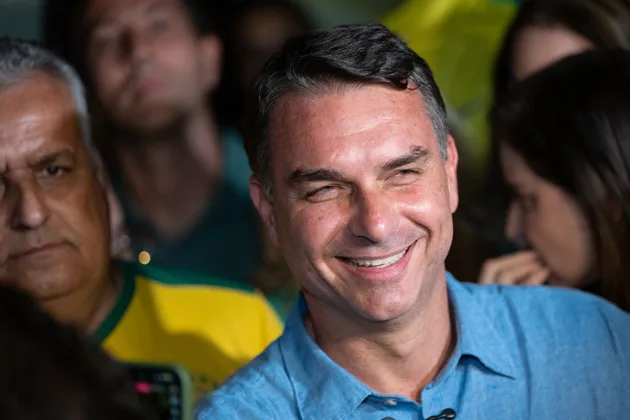
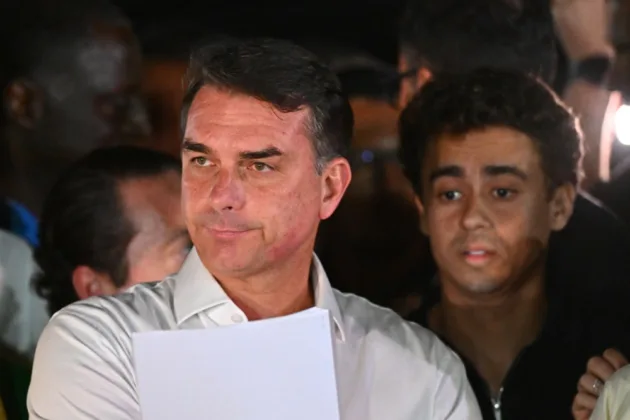
Lula took about 51.8 per cent of valid votes in the October 25 run-off against Senator Flávio Bolsonaro, who finished on 48.2 per cent and has refused to concede. It was the first time since Brazil returned to direct elections in 1989 that a candidate had won a run-off after losing the first round.
November futures on the real fell more than 10 per cent on October 26, while the iShares MSCI Brazil exchange-traded fund dropped about 25 per cent in pre-market trading in New York.
Brazilian stocks had closed on October 23 almost 7 per cent above their level before the first round, with the real nearly 5 per cent stronger against the US dollar.
Barclays analysts said in a note that the result should trigger “disorderly moves in local markets”. Luis Felipe Vital, head of macro strategy at Warren Investimentos, said interest rate futures were likely to reach their upper limit shortly after the open.
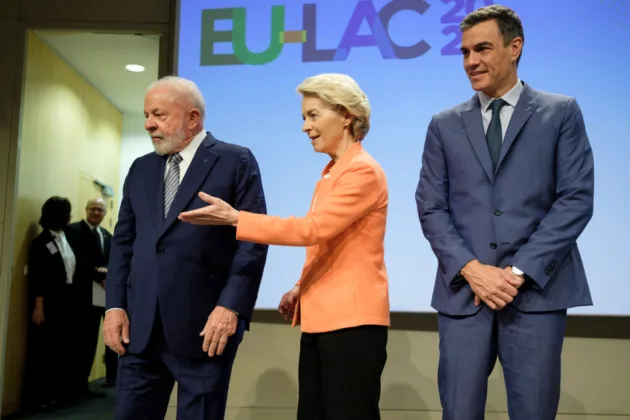
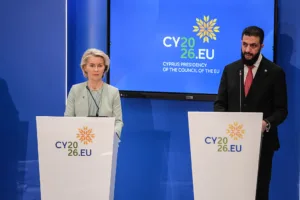
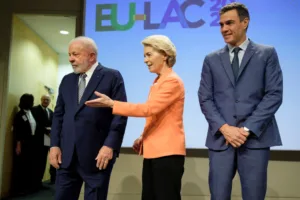
In Brussels the reaction was warmer. EU institutions were among the first to congratulate the Brazilian president, with European Commission President Ursula von der Leyen saying on X that “democracy and multilateralism have won in Brazil” and European Council President António Costa promising deeper ties.
The enthusiasm rests on a trade file. Lula was the central partner in the EU-Mercosur agreement signed in Asunción, Paraguay, on January 17, and Bolsonaro had campaigned on loosening Brazil’s commitments to the bloc in favour of bilateral deals.
That agreement has been applied provisionally since May 1 even though the European Parliament suspended its consent procedure on January 21 and asked the European Court of Justice whether splitting the text into two instruments complies with EU law. The opinion is not expected before 2027.
Member states approved the deal in January by 21 votes to five, with Poland, France, Ireland, Hungary and Austria against and Belgium abstaining. Farmers across the bloc have protested against it, and in September the court rejected a Polish request to suspend it while that challenge is heard.
The European Commission has estimated that EU exporters would save more than €4 billion a year in duties. For Brussels, Lula’s survival keeps that calculation intact. For investors, it removed the government they had already priced in.