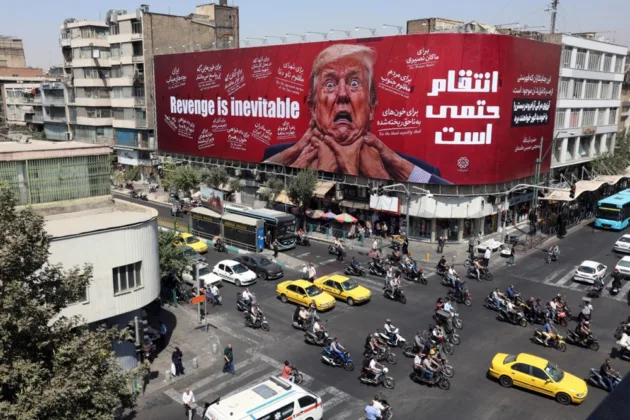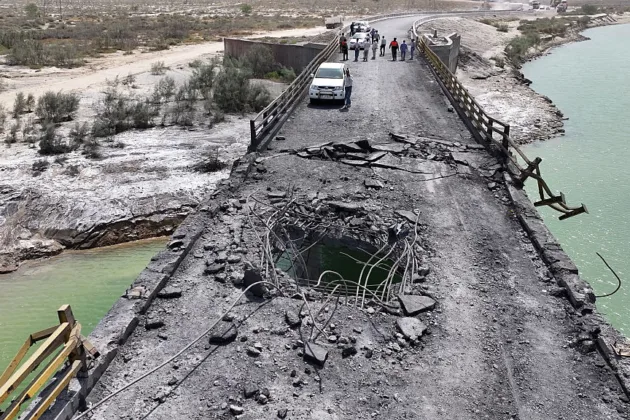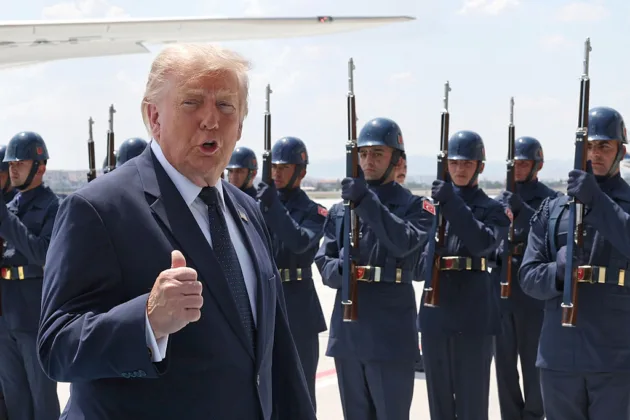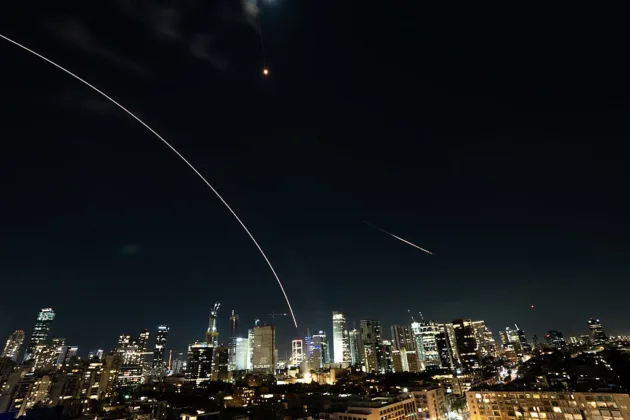


US President Donald Trump has again raised the prospect of Iranian missiles striking Los Angeles and San Diego, two days after comments about the same two cities set off a political row in California.
Speaking at a campaign rally in San Antonio, Texas, on October 7, Trump said a strike on either city would send the United States into free fall. “Let them hit San Diego, let them hit Los Angeles,” he said, adding that his administration would never allow that to happen.
The president was defending the American and Israeli war against Iran, which began in late February and has driven oil prices to their highest level since 2022. He had used almost identical language at a rally in Nebraska on October 5, describing the loss of an American city as a small price to pay for keeping the world safe.
Both cities are run by Democrats and both are in California, the state at the centre of Trump’s confrontations over immigration enforcement and the deployment of National Guard troops.
California Governor Gavin Newsom called the president “deranged and dangerous” and accused him of telling foreign enemies to take out the two cities. Los Angeles Mayor Karen Bass said the comments were irresponsible and could compromise the safety of her city.
San Diego Mayor Todd Gloria said his city was “not collateral damage”. It hosts Naval Base San Diego and several other major military installations.
The White House rejected the reading given to the remarks. Communications director Steven Cheung wrote on X on October 6 that the reaction was “not rooted in reality”, saying Trump had been describing the threat the United States would face from a nuclear-armed Iran.
Iran has attacked no city on the American mainland during the conflict and is not believed to have the means to do so.
The war Trump was defending has had direct consequences in Europe. Traffic through the Strait of Hormuz, which carried about a fifth of the world’s oil before the fighting started, has all but stopped, pushing up gas and diesel costs across the European Union and leaving Brussels under pressure to open emergency fuel stocks as winter approaches.
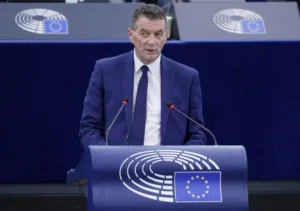
European Commissioner for Energy Dan Jørgensen has told member states to prepare for prolonged disruption, estimating that 30 days of war had added €14 billion to the bloc’s fossil fuel import bill.
Trump said in September that oil prices were unlikely to come down before the US midterm elections on November 3, and that he expected Tehran to give way once the vote was over.