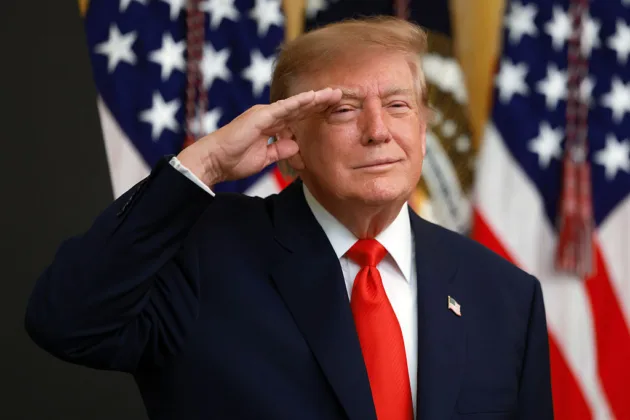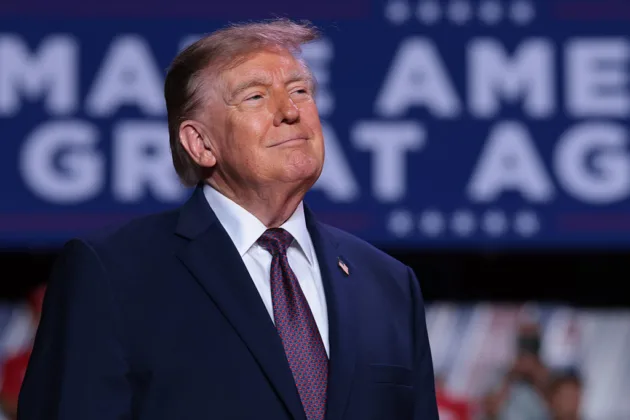











US President Donald Trump has threatened to ban American diesel exports unless European governments open their emergency fuel stocks, a move that would fall on hauliers, farmers and consumers across the European Union.
Washington has asked the bloc to release 120 million barrels of diesel over six months, according to Reuters. Member states were due to meet the European Commission on October 2 to agree a coordinated response.
Most of Europe’s emergency diesel sits in Germany and France, the two governments Washington has singled out. Trump said he was weighing the measure at an Oval Office appearance on September 30, telling reporters he was thinking about it.
EU Trade Commissioner Maroš Šefčovič said a ban would come as a surprise to Europeans and warned it would have “very dramatic consequences for our economic performance”.
The threat arrives with the market already stretched. The average EU pump price for diesel reached a record €2.24 a litre, according to the European Commission’s Weekly Oil Bulletin published on October 1, against €1.59 before the war in Iran began.
The dependence Washington is now exploiting is in large part of Brussels’ own making. After the bloc banned seaborne Russian diesel in 2023, European buyers turned to the Gulf and to American refineries, which have supplied about a third of EU diesel imports this year and close to half in August.
That supply chain has since frayed on every side. The effective closure of the Strait of Hormuz after the United States and Israel attacked Iran on February 28 removed Middle Eastern barrels from the market, and Ukrainian drone strikes on refineries later pushed Moscow into a diesel export ban of its own.
Road freight carries the cost. About 96 per cent of trucks on EU roads run on diesel, according to the European Automobile Manufacturers’ Association, and the International Road Transport Union put the rise in EU pump prices at 38 per cent since late February.
Trump has blamed the war in Ukraine rather than the conflict in Iran for the price rises, a case he made when announcing an energy truce that neither Kyiv nor Moscow confirmed.
Not everyone in Washington favours a ban. Energy Secretary Chris Wright has said that “the blunt tool of banning diesel exports definitely doesn’t work”, while the American Petroleum Institute and the US Chamber of Commerce warned jointly that a ban would tighten supply and raise costs at home.
Goldman Sachs estimated a ban could cut US diesel prices by about 4 per cent while pushing European wholesale costs up by about 2 per cent. European capitals must also weigh the risk of running down reserves before winter with the Middle East war unresolved.