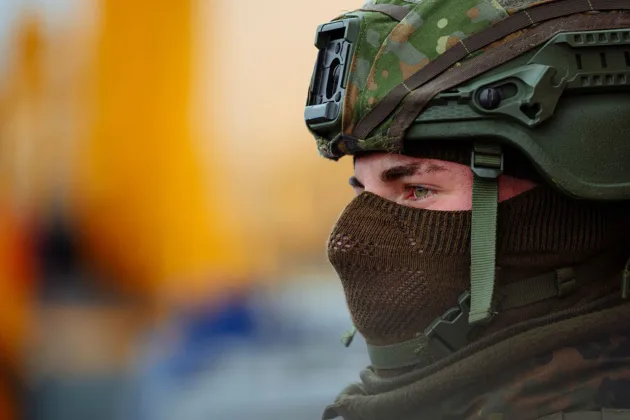



Israeli troops have pushed deeper into southern Syria and fired two artillery shells into farmland near Damascus, in the latest breach of the ceasefire line that has separated the two countries since 1974.
A convoy of six Israeli military vehicles left a base at Tel al-Ahmar, in Quneitra governorate, and advanced on the village of Bariqa, the Syrian broadcaster Al-Ekhbariya reported on August 27.
The state news agency SANA placed the shelling at the Tal Bat al-Warda hill in the Damascus countryside, on the slopes of Mount Hermon. Both shells landed on agricultural ground and caused no casualties.
Local sources quoted by the Lebanese broadcaster al-Mayadeen described a second patrol entering Ras al-Ajraf, in southern Quneitra, where soldiers searched homes.
Beit Jinn, the nearest town to the impact site, lies about 50 kilometres southwest of Damascus. An Israeli drone struck a car on the road into the town on August 22, wounding a Syrian defence ministry employee.
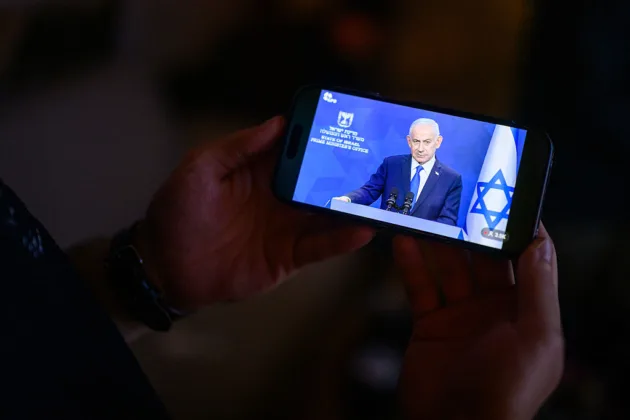
Israeli forces seized the United Nations-patrolled area of separation in December 2024, days after the fall of Bashar al-Assad, and took the Syrian slopes of Mount Hermon. Prime Minister Benjamin Netanyahu has said his troops would remain there indefinitely.
Such operations have become routine. The Syrian outlet Enab Baladi counted about 20 incursions in Quneitra during August alone, alongside artillery fire near the Mantara Dam on August 6 and on farmland at al-Samdaniyah on August 17.
The latest advance came four days after Syrian and Israeli officials met in Jordan for talks mediated by the United States, aimed at agreeing practical steps to halt Israeli strikes, arrests and raids.
Foreign Minister Asaad al-Shaibani told Reuters that Damascus expected negotiations on a security agreement to restart, urging Israel to seize a “historic opportunity”. Mossad director Roman Gofman met him shortly before the incursion.
Al-Shaibani said the two sides had settled almost every point on paper at the start of the year, including security zones in the south and a buffer area policed only by UN forces, though Damascus doubted Israel would implement them.
The Syrian Government has demanded a full Israeli withdrawal and argues that measures imposed by Israeli forces carry no legal validity under international law.
The European Union has spent 18 months rebuilding ties with Damascus, lifting economic sanctions and moving to restore its co-operation agreement with the country. Brussels has pledged €620 million for 2026 and 2027, though its involvement has centred on aid and trade rather than the security file led by Washington.