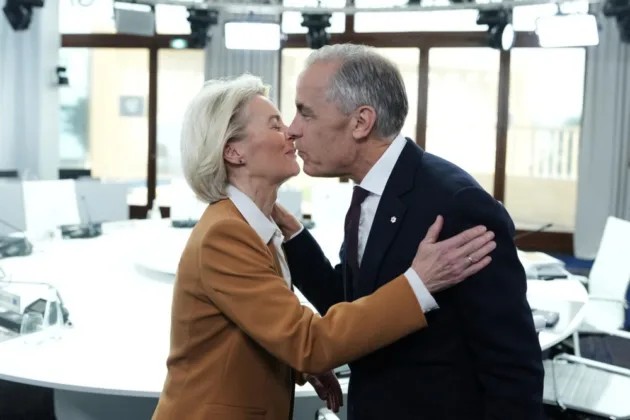


Canadian Prime Minister Mark Carney has welcomed the European Union’s offer to make his country the bloc’s first “associate member”, though he has left the shape and the name of the arrangement to Brussels.
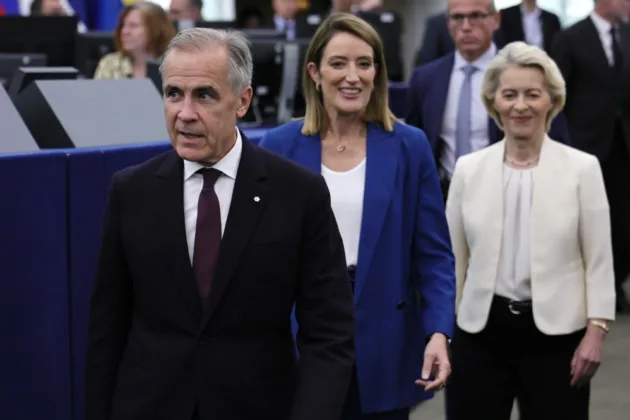
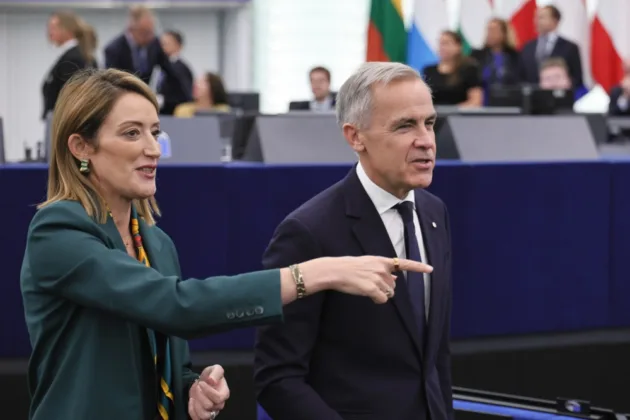
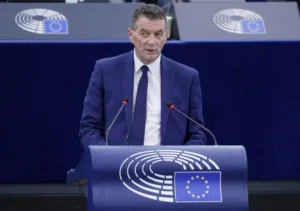
Carney addressed a formal sitting of the European Parliament in Strasbourg on September 17, a day after European Commission President Ursula von der Leyen opened the door to the new status in her State of the European Union address. He described the plan as an alliance for the future that the two sides would define together.
Canada was not seeking full membership of the European Union, he said, and the final wording of the relationship was a matter for the EU institutions. Any agreement would be put to a vote in the Canadian parliament.
He then set out what Ottawa wanted, calling for deep cooperation on critical minerals, defence industrial capacity, artificial intelligence and compute, energy security, space and payments.
He also proposed seamless digital trade in non-agricultural goods and a wide range of services, along with the right for young Canadians and Europeans to live, work and study on either side of the Atlantic. Canadian membership of Erasmus+ and of the next Horizon research programme formed part of the offer.
Canada had deposits of more than 34 critical minerals and could supply liquefied natural gas and hydrogen at scale, he said. Europe brought market power, research depth and regulatory reach in return.
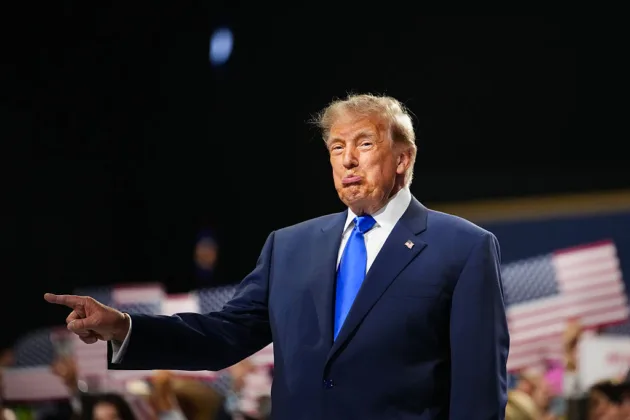
The speech came hours after US President Donald Trump threatened tariffs on European exports if he judged closer ties between Brussels and Ottawa to be aimed at Washington. Carney did not name him, though he told MEPs that tariffs were being used as a means of pressure.
The aim was resilience rather than dominance, he said. “We do not seek power to dominate others,” Carney told the chamber, adding that no outside power should be able to control open markets, impair sovereignty or threaten territorial integrity.
He was not proposing a third bloc that would become a great-power rival, he said. The alliance he had in mind would be a beacon for other democracies and open enough for others to join later.
The two sides already work together through the Comprehensive Economic and Trade Agreement (CETA), a Strategic Partnership Agreement signed in June and Canada’s place as the first non-European member of the EU’s Security Action for Europe (SAFE) defence loan scheme. A European Commission spokesperson said the proposed partnership was not directed against any other country.
Associate membership does not exist in the EU treaties and would require the agreement of the 27 member states. Both governments expect to return to the question at an EU-Canada summit in Canada on October 29-30.